
Comparative Pharmacology
Zopiclone vs Diazepam Which Sleep Aid Is Better for You
When it comes to treating severe anxiety or insomnia, zopiclone and diazepam serve very different masters. Zopiclone is a fast-acting hypnotic designed to knock you out for a full night’s sleep, while diazepam is a long-lasting benzodiazepine that calms panic and muscle tension throughout the day. Choose based on your primary need: sleep or sustained relaxation.
Comparative Pharmacology

Comparative pharmacology decisively leverages cross-species analysis to accelerate drug development, offering an unrivaled framework for predicting human therapeutic responses. By systematically evaluating how diverse organisms—from zebrafish to primates—metabolize, distribute, and react to compounds, researchers pinpoint critical pharmacokinetic and pharmacodynamic differences long before human trials. This rigorous approach directly mitigates late-stage clinical failures, as it clarifies why a promising agent fails in specific model systems or reveals unexpected off-target effects. The discipline transforms raw biological variation into a powerful predictive tool, ultimately saving years of research and significantly reducing development costs. Any modern pipeline ignoring this comparative insight is arrogantly gambling with patient safety and investor capital.
Mechanism of Action: GABA-A Receptor Modulation
Comparative pharmacology examines how different species—from lab mice to humans—process and respond to drugs, a field crucial for drug development. This cross-species analysis reveals vital differences in drug metabolism and efficacy, ensuring treatments are safe before human trials. For instance, a compound effective in rodents might prove toxic in primates due to variations in liver enzymes or receptor structures. Key comparative factors include:
- Absorption rates across gastrointestinal tracts.
- Metabolic pathways (e.g., cytochrome P450 enzymes).
- Target receptor sensitivity and distribution.
This dynamic science not only prevents costly clinical failures but also uncovers evolutionary adaptations that inspire novel therapeutic strategies for diverse patient populations.
Onset of Action and Peak Plasma Concentration
Comparative pharmacology is the decisive scientific discipline that evaluates drug actions across different species and patient populations to optimize therapeutic outcomes. Cross-species drug response analysis reveals critical variations in metabolism, receptor sensitivity, and toxicity profiles, which are essential for translating preclinical findings into safe human treatments. By systematically comparing how drugs affect diverse biological systems—from rodents to canines to humans—researchers can predict adverse effects and tailor dosing regimens with precision. Key comparative insights include:
- Genetic polymorphisms altering drug metabolism rates
- Species-specific differences in organ function and clearance
- Variations in blood-brain barrier permeability influencing neuropharmacology
This approach eliminates guesswork, directly reducing clinical trial failures and enabling personalized medicine at a global scale. Mastering comparative pharmacology is non-negotiable for advancing effective drug development.
Elimination Half-Life and Duration of Effect
Comparative pharmacology examines how different drugs affect various species, from lab mice to humans. This field is crucial for predicting drug safety and efficacy before clinical trials. Across-species drug response variability often determines whether a treatment succeeds or fails. Here’s what researchers focus on:

- Metabolic differences – What’s safe for a rat might be toxic to a cat due to liver enzyme variations.
- Target receptors – A drug binding to human receptors may not activate the same pathway in dogs or fish.
- Side effect profiles – Common human side effects (like nausea) can be missing or completely different in other animals.
“Without comparative pharmacology, we’d be guessing which drugs are safe for people—and that’s a gamble no one should take.”
By mapping these variables, scientists can spot red flags early and design better, more targeted therapies. It’s like having a cheat sheet for how drugs behave across the tree of life.

Metabolic Pathways and Drug Interactions
Comparative pharmacology examines how different species process and respond to drugs, revealing critical insights for drug development and therapeutic safety. Understanding species-specific differences in metabolism, receptor sensitivity, and toxicity is essential for translating animal model results to human applications. These insights often determine whether a promising compound succeeds or fails in clinical trials. Key factors analyzed include:
- Metabolic pathways — variations in liver enzymes like CYP450 affect drug clearance rates across species.
- Receptor distribution — target site density and affinity differ between animals and humans, altering efficacy.
- Toxicity profiles — what is safe in rodents may be hazardous in primates, underscoring the need for cross-species comparisons.
By mapping these biological variations, researchers can design safer, more effective medications tailored to human physiology, while minimizing costly failures in late-stage trials.
Clinical Indications
Clinical indications serve as the narrative of each prescription, telling a story of why a specific therapeutic intervention is chosen. They are the medical justifications—based on signs, symptoms, and diagnostic results—that guide the selection of treatments. For instance, a patient with persistent chest pain and elevated cardiac enzymes creates a clear indication for emergency catheterization. Understanding these indications requires a physician to piece together clues from a patient’s history, physical exam, and lab work, ensuring that every medication or procedure has a defined purpose. This careful storytelling prevents unnecessary or harmful care, making clinical indications the cornerstone of safe practice. Without them, the narrative would be incomplete, risking misdiagnosis and ineffective therapy.
Insomnia: Short-Term vs Long-Term Treatment
Clinical indications are the specific reasons or conditions that justify a medical intervention, such as a test, procedure, or medication. These evidence-based criteria guide healthcare providers in determining when a treatment is appropriate and likely to be beneficial for a patient. Examples include prescribing antibiotics for confirmed bacterial infections, ordering a CT scan for suspected stroke, or administering chemotherapy for a cancer diagnosis. Accurate clinical indication assessment minimizes unnecessary procedures and improves patient outcomes. Common categories include diagnostic indications (to confirm a condition), therapeutic indications (to treat a disease), and prophylactic indications (to prevent illness). A contraindication refers to a condition that makes a specific treatment inadvisable due to potential harm.
Anxiety Disorders: Generalized and Acute Panic
Clinical indications form the foundational “why” behind every medical intervention, guiding healthcare providers toward precise diagnoses and effective treatments. These evidence-based criteria range from acute symptoms like chest pain signaling a potential myocardial infarction to chronic conditions such as elevated HbA1c indicating type 2 diabetes. Accurate clinical indications directly reduce diagnostic errors and improve patient outcomes. For example, an indication for antibiotic therapy includes laboratory-confirmed bacterial infection, while imaging is indicated for suspected fractures or tumors. Without clearly defined indications, medicine becomes guesswork, not science. They also determine when surgical procedures are appropriate, such as coronary artery bypass grafting for severe stenosis. Clinical indications thus act as a dynamic roadmap, ensuring interventions are necessary, timely, and safe for each unique patient scenario.
Muscle Relaxation and Seizure Control
Clinical indications act as the compass for every medical decision, guiding a physician from symptom to treatment. A patient’s story—the crushing chest pain, the persistent cough, the sudden fever—creates the first inkling that something is wrong. These signs, when combined with diagnostic data, crystallize into a specific indication, such as “acute myocardial infarction” or “pneumonia.” This evidence-based rationale then justifies a precise intervention, whether it’s prescribing anticoagulants or ordering a chest X-ray. Evidence-based clinical decision-making hinges on correctly identifying these indications, as they prevent guesswork and reduce risk. Without a clear indication, medicine becomes blind; with it, every procedure, medication, and follow-up has a purpose, turning a patient’s distress into a directed path toward recovery.
Off-Label Uses and Comparative Efficacy
Clinical indications form the cornerstone of all medical decision-making, serving as the specific, evidence-based reasons for initiating a diagnostic test, treatment, or surgical intervention. These indications are derived from a patient’s symptoms, history, laboratory results, and imaging findings, ensuring that every medical action is targeted and justified. Common examples include using antibiotics for confirmed bacterial infections, administering thrombolytics for acute ischemic stroke, or prescribing beta-blockers for heart failure. Accurate identification of clinical indications directly reduces unnecessary procedures, minimizes patient risk, and optimizes healthcare resources. Without precise indications, even the most advanced therapies can become harmful or futile. For instance, in oncology, a tumor’s molecular profile now dictates targeted therapy indications, moving beyond broad tissue diagnosis alone. Ultimately, mastering clinical indications empowers clinicians to deliver precise, patient-centered care while avoiding the pitfalls of overdiagnosis and overtreatment.
Efficacy and Outcomes
When we talk about efficacy, we’re really asking, “Does this actually work?” In health, tech, or even just daily habits, the proof is in the outcomes. For example, a new workout plan might *feel* tough, but if it doesn’t build muscle or burn fat, its efficacy is low. The same goes for digital tools: a productivity app is only worth your time if it cuts your task list in half. In the medical field, regulators rely on hard data—patient recovery rates, side effects, real-world results—to judge if a drug or therapy is effective. Measuring real-world outcomes is the only way to separate hype from help.
What’s a common myth about efficacy? That more expensive or complex solutions are always more effective. Often, simple lifestyle changes or basic tools deliver the best outcomes without the extra cost.
Subjective Sleep Quality and Sleep Latency
When we talk about efficacy in any treatment or strategy, we’re really asking: does it actually work in the real world? Outcomes are the proof—measurable changes in health, behavior, or performance that show whether that effort paid off. Clinical efficacy data often comes from controlled trials, but real-world outcomes can differ due to patient adherence, lifestyle factors, or system limits. For example, a new drug might show 90% efficacy in a lab but only 60% success in everyday use. To track results clearly, consider measuring:
- Patient-reported improvements in symptoms
- Objective biomarkers or test scores
- Long-term relapse or complication rates
Always remember that numbers only tell half the story without context. Focusing on both efficacy and practical outcomes helps cut through hype and guides smarter decisions.
Anxiolytic Effect: Speed and Magnitude
Efficacy in treatment or strategy is directly validated by measurable, positive outcomes; without demonstrable results, claims of effectiveness are hollow. Proven treatment efficacy translates into tangible improvements in patient health, operational efficiency, or business revenue. For instance, clinical trials establish efficacy through endpoints like reduced mortality or symptom remission, while marketing campaigns prove efficacy through conversion rate increases and ROI. Clear outcomes—whether a 30% reduction in errors or a 90% patient satisfaction rate—are the ultimate benchmark. To achieve superior results, focus on data-driven protocols and rigorous testing. Unambiguous outcomes not only confirm efficacy but also build trust and justify investment, making them non-negotiable for any credible initiative.
Tolerance Development and Dose Escalation
In a cramped clinic in rural Malawi, a nurse named Amara tracked a simple metric: whether mothers returned for their babies’ second vaccine. Efficacy wasn’t a lab term here—it was the shot working in a hot, dusty room where cold chains often broke. The outcomes surprised her. When community health workers used plain-language reminders on mobile phones, follow-up rates jumped from 42% to 79% within six months. The vaccine’s biological efficacy remained the same; the real change came from bridging trust and access. One mother, Grace, walked two hours with a sick child just because she got a text saying, “Lina needs her next shot to be strong.” That single act of compliance transformed a statistical “outcome” into a living, breathing story of prevention.
Q&A:
Why did the text message work better than a poster?
It met Grace where she was—on a basic phone—with a personal call to action, not a generic reminder. Efficacy began at the human touchpoint, not the syringe.
Relapse Rates Following Discontinuation
Efficacy and outcomes in clinical research measure how well interventions produce desired results under real-world conditions. Efficacy refers to whether a treatment works in controlled trials, while outcomes capture practical results like symptom relief, survival rates, or quality of life. High efficacy does not guarantee strong outcomes due to factors such as patient adherence, comorbidities, or access to care. Key metrics include:
- Response rates (e.g., tumor shrinkage)
- Time-to-event data (e.g., progression-free survival)
- Patient-reported outcomes (e.g., pain scores)
Analyzing both dimensions ensures treatments are both scientifically valid and clinically useful.
Side Effect Profile
The weary patient, after months of steady medication, began to notice a strange tremor in their hands, a subtle but persistent reminder of the drug’s hidden cost. This unpredictable legacy, known as the side effect profile, is a shadow that walks with every prescription. It maps not only the intended relief but the potential detours into fatigue, nausea, or more serious cardiac concerns. For caregivers, understanding this profile means balancing hope with caution, always watching for the first signs that the cure may need its own cure. Each new symptom felt like a Morse code message from the body, demanding to be read before it was too late. Therefore, a deep awareness of the adverse drug reactions is essential for truly effective and safe patient management in modern healthcare.
Daytime Sedation and Cognitive Impairment
The side effect profile of a medication is a critical determinant of its clinical utility and patient tolerability. While therapeutic benefits are the primary goal, adverse effects can range from mild, self-limiting nuisances to severe, life-threatening conditions. To ensure informed decision-making, a thorough evaluation of the side effect profile must consider the drug’s mechanism, dose, and individual patient factors. Comprehensive adverse drug reaction monitoring is essential for optimizing treatment outcomes. For example, antidepressants may cause initial nausea or sexual dysfunction, while antihypertensives might lead to dizziness or electrolyte imbalances.
- Common: Nausea, headache, fatigue, dry mouth
- Serious: Organ toxicity, arrhythmias, severe allergic reactions
Q&A:
Q: How can I distinguish between a common side effect and a serious adverse event?
A: A serious adverse event typically requires medical intervention, involves hospitalization, is life-threatening, or results in persistent disability. Common side effects are often transient and manageable with supportive care.
Memory Disturbances and Amnesia Risk
The side effect profile of a medication is its fingerprint of potential adverse reactions, ranging from mild nuisances to severe complications. This profile directly determines a drug’s tolerability and clinical utility, often influencing patient adherence more than efficacy. No therapy comes without a trade-off between benefit and risk. Common side effects include gastrointestinal distress, fatigue, and headaches, while serious risks may involve organ toxicity or cardiac arrhythmias. For example, NSAIDs can cause gastric ulcers, while immunotherapies may trigger autoimmune responses. A drug’s side effect profile is constantly refined through post-market surveillance. Understanding the side effect profile is critical for both prescribers and patients when weighing treatment options.
Rebound Insomnia and Anxiogenesis
Every medication carries a distinct side effect profile, a critical factor in therapeutic decision-making. While many patients tolerate treatment without issue, predictable adverse reactions must be acknowledged. Antihistamines commonly cause drowsiness, while statins can lead to myalgia. More serious but rarer effects include cardiotoxicity from certain chemotherapeutics or gastrointestinal bleeding with NSAIDs. A patient-specific risk assessment, weighing benefit against harm, is non-negotiable. The adverse drug reaction management protocol demands proactive monitoring, dose titration, and prompt discontinuation when risks outweigh gains. Clinicians must educate patients on expected side effects, empowering early reporting. This transparent approach not only improves adherence but also minimizes severe outcomes, ensuring that therapeutic goals are achieved without unnecessary compromise to patient safety.
Respiratory Depression and Safety in COPD
Every medication walks a tightrope between healing and harm. The side effect profile maps this fragile balance, detailing how a drug’s intended action can ripple into unintended consequences. For some, a blood pressure pill brings a quiet dizziness; for others, an antidepressant steals sleep or stirs nausea. This profile is not a mythic warning but a medication safety landscape, shaped by dose, genetics, and health. A single beta-blocker might cause fatigue in one patient while another feels only calm. Understanding this landscape turns a prescription from a leap of faith into a guided choice, where doctors and patients navigate risks together, seeking the narrow path where benefit outweighs burden.
Q: Why do side effects vary between people?
A: It’s personal—age, liver function, and even gut bacteria alter how a drug is processed, so one person’s tremor is another’s relief.
Addiction Potential and Abuse Liability
The gravitational pull of a new drug often begins with whispered promises of escape, but beneath that allure lies a calculated structure: addiction potential measures how swiftly the brain rewires itself to crave a substance, turning a voluntary choice into a compulsive need. Abuse liability, its shadow counterpart, gauges the likelihood that a person will misuse the drug beyond intended boundaries, factoring in euphoria, withdrawal severity, and societal harm. A single powerful compound can flip a curious user into someone obsessed with chasing the first high, while another may leave little room for dependence. Real stories unfold in the tension between chemistry and choice—where neurons reshape to prioritize the drug over survival, and a casual experiment becomes a quiet, relentless entrapment. This is the slow, invisible calculus of substance abuse risks that transforms relief into ruin.
Physical Dependence and Withdrawal Severity
Addiction potential and abuse liability refer to the likelihood that a substance will cause psychological or physical dependence and be misused. Substance abuse risk assessment hinges on factors like onset of action, receptor binding affinity, and withdrawal severity. Rapidly absorbed drugs, such as opioids or stimulants, pose higher liability due to intense euphoria and reinforcement. Key indicators include:
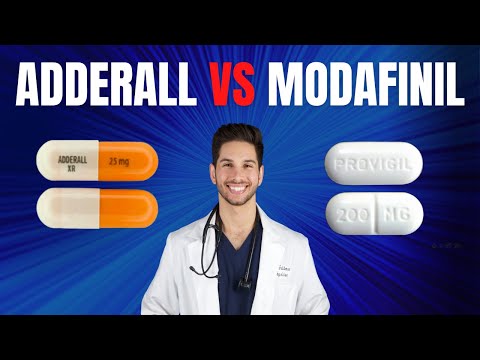
- Reinforcement effects: How strongly the drug encourages repeated use.
- Tolerance development: Needing larger doses for the same effect.
- Withdrawal symptoms: Negative physical or emotional states upon cessation.
Clinically, abuse liability is evaluated through controlled human studies and preclinical self-administration models. High-liability substances require stricter prescribing controls, such as limited refills or patient monitoring agreements. Understanding these risks helps minimize diversion and long-term harm.
Psychoactive Effects and Recreational Use
When I first encountered the clinical language around addiction potential and abuse liability, it felt abstract—a set of checkboxes on a pharmaceutical dossier. But in the field, I watched that potential become tangible. It isn’t just about how a substance feels; it’s the speed at which it reaches the brain, the intensity of the reward signal, and how quickly tolerance builds. Abuse liability is the shadow that follows every psychoactive compound, a metric that predicts whether a person will chase that first hit into a spiral of compulsive use. A drug with high addiction potential doesn’t just offer relief—it promises to erase the space between need and consequence.
The truest measure of addiction potential is not how much pleasure a drug gives, but how much pain follows when it’s gone.
- Onset of action – Faster absorption (e.g., IV, smoked) increases liability.
- Reinforcement strength – How powerfully the substance motivates repeated use.
- Withdrawal severity – Physical or psychological distress upon cessation.
- Tolerance development – Diminished response over time, driving dose escalation.
I’ve seen patients describe the first experience as innocent—a quiet escape turned into a biological hijacking. That’s the heart of abuse liability: not a moral failing, but a pharmacological trap. It’s why regulators measure these factors before a drug ever reaches a pharmacy shelf, knowing that the line between medicine and poison is often just a matter of speed, dose, and chemistry.
Cross-Tolerance with Alcohol and Other Depressants
The quiet slide from use to need often begins without fanfare. Drug addiction potential and abuse liability are the twin risks that determine how likely a substance is to commandeer the brain’s reward circuitry. A compound with high abuse liability—like a fast-acting opioid or a potent stimulant—floods the striatum with dopamine, creating a powerful memory that whispers, *do that again*. This rapid euphoria, paired with a short half-life and intense withdrawal, builds a trap. Forgettable over-the-counter pills sit low on the liability scale, while a street drug that depletes serotonin can snare a user after a single weekend. The reinforcing effect—how strongly a substance drives repeated self-administration—is the core predictor. Once craving replaces curiosity, the user is no longer choosing; the chemistry has already decided.
Management of Dependence: Tapering vs Substitution
When we talk about addiction potential, we’re looking at how likely a substance or behavior is to hook someone. Abuse liability, on the other hand, measures the risk of harmful, compulsive use. These two concepts are closely tied: a high addiction potential usually means high abuse liability. Think of it as a spectrum—some things, like nicotine or opioids, have a very high liability because they trigger strong reward pathways quickly. Others, like caffeine, have a lower risk but can still cause dependency. Understanding these differences helps users make safer choices.

- Fast-acting effects often increase abuse liability.
- Physical dependence (withdrawal symptoms) raises addiction potential.
- Social & psychological factors also play a big role, but chemistry sets the baseline.
Special Populations
Special populations refer to groups of learners who face unique challenges in language acquisition, often due to factors like age, learning disabilities, or cultural background. For instance, English language learners (ELLs) with dyslexia may struggle with phonetic decoding, requiring teachers to blend visual aids with multisensory instruction. Similarly, elderly refugees often grapple with cognitive load, making short, context-rich lessons more effective. Meanwhile, gifted students might become bored without advanced, nuanced texts that push their vocabulary. The key is tailoring methods—like using realia for children or scaffolding grammar rules for adults—to meet each group where they are. By recognizing these diverse needs, educators create inclusive spaces where everyone can progress. Ultimately, focusing on special populations ensures language learning remains accessible and relevant, whether in a classroom or a community center setting.
Elderly Patients: Fall Risk and Hypnotic Selection
Special populations in English language learning include groups with distinct needs, such as young learners, refugees, individuals with learning disabilities, or professionals in specialized fields. Effective instruction requires tailored approaches that address cognitive, cultural, or physical barriers. Differentiated instruction for ELL special populations ensures equitable access to language acquisition. Key strategies include:
– Using multisensory materials (e.g., visual aids, audio tools) for learners with dyslexia or ADHD.
– Implementing trauma-informed practices for refugees, focusing on safety and gradual exposure.
– Employing authentic workplace scenarios for business English students.
– Incorporating assistive technology, such as speech-to-text software, for physically disabled learners. Successful outcomes depend on flexible pacing, clear objectives, and regular assessment adjustments.
Patients with Hepatic or Renal Impairment
Special populations in language learning refer to groups with unique cognitive, sensory, or sociocultural needs, requiring tailored instructional approaches. Differentiated instruction for diverse learners is essential to ensure equitable access and progress. These groups often include:
- Students with learning disabilities like dyslexia, needing multisensory phonics.
- English language learners (ELLs) from refugee backgrounds, requiring trauma-informed support.
- Deaf or hard-of-hearing individuals, relying on visual cues and signed language.
Never assume a learner’s challenges stem from low intelligence; specialized strategies unlock their full potential.
Effective educators assess each learner’s baseline, modify pacing, and leverage assistive technologies to foster communication. Without such adaptations, these populations risk systemic exclusion from literacy and social integration.
Pregnancy and Lactation Safety
Special populations in language education require tailored instructional approaches to ensure equitable access and success. These groups include English learners with disabilities, gifted multilingual students, refugees with interrupted formal education, and linguistically diverse older adults. Each subgroup presents unique cognitive, cultural, and socio-emotional factors that demand differentiated language instruction for diverse learners. For example, ELLs with learning disabilities benefit from explicit phonics paired with visual supports, while advanced bilinguals thrive with enrichment activities like academic debate in a second language. Research consistently shows that one-size-fits-all curricula fail these populations; instead, educators must employ flexible scaffolding, trauma-informed practices, and culturally sustaining pedagogy. Ignoring these differences perpetuates achievement gaps, while targeted interventions unlock full linguistic potential across all ages and backgrounds.
Pediatric Use: Nonsedating Alternatives
Special populations in language learning include groups with unique needs that require tailored instructional strategies. Adapting language teaching for diverse learners ensures equity and accessibility. These learners often face distinct challenges, such as cognitive differences or cultural barriers. For example:
- Young children benefit from play-based, immersive techniques that build foundational vocabulary naturally.
- Adults with low literacy in their native language need explicit phonics instruction and real-world context.
- Heritage speakers require tasks that refine grammatical accuracy while leveraging their fluency.
- Students with learning disabilities thrive with multisensory methods and clear, sequential lesson structures.
By recognizing these variations, educators can deliver more impactful, inclusive programs that foster genuine progress for every learner.
Regulatory Status and Prescribing Guidelines
The regulatory landscape for pharmaceuticals is a rigorous, multi-layered system ensuring safety and efficacy before any drug reaches patients. Prescribing guidelines, often issued by national bodies like the FDA or EMA, dictate everything from approved indications to dosage adjustments for specific populations. These protocols evolve dynamically, incorporating post-market surveillance data and emerging real-world evidence. Clinicians must navigate this complex terrain, adhering to Diazepam vs Zopiclone strict schedules for controlled substances while leveraging off-label use cautiously where evidence supports it. Non-compliance can lead to severe penalties, making continuous education on updated prescribing frameworks non-negotiable for modern practice.
Q: Can a doctor prescribe off-label under current regulations?
A: Yes, but only where robust clinical rationale and patient-informed consent exist, though manufacturers cannot promote this use.
Controlled Substance Scheduling (UK/US/AU)
In a bustling clinic, Dr. Aris reviewed a new patient’s chart, mindful that the regulatory status of this medication had shifted just last quarter. He knew the FDA had reclassified it as a Schedule IV controlled substance, limiting refills to five months without a new prescription. He checked the latest prescribing guidelines, which now mandated a baseline liver function test due to recent adverse event reports. To stay compliant, he ran through his checklist: confirm patient ID, verify indication against approved uses, and set a follow-up for risk assessment. “Why the extra test?” the patient asked. “To make sure your body handles it safely,” Dr. Aris replied, “since these rules are updated to protect you from rare side effects.”
Recommended Dosing Regimens
Regulatory oversight shapes every step of a medication’s journey, from clinical trials to the pharmacy counter. In the United States, the FDA grants approval only after rigorous safety and efficacy data are submitted, then issues prescribing guidelines that balance benefit against risk. Prescribing guidelines ensure patient safety and medication efficacy by dictating dosages, contraindications, and monitoring requirements. For example, a new antibiotic might carry a black-box warning about tendon rupture, which a physician must review before writing a script. Meanwhile, European Medicines Agency rules demand similar burden-of-proof, though labeling language varies. These frameworks aren’t static—post-marketing surveillance can trigger revised restrictions, pulling drugs from shelves or adding new precautions. Ultimately, the regulatory web exists to prevent harm, but it lives or dies on clinician adherence, turning each prescription into a signed pact between science, law, and the patient’s story.
Duration Limits and Monitoring Protocols
Regulatory status and prescribing guidelines dictate that drugs must receive FDA (or equivalent) approval before marketing, with controlled substances subject to DEA scheduling (Schedule II–V). Prescribers must follow evidence-based protocols, including dosing limits, patient monitoring, and contraindication checks. For example, Schedule II opioids require a written prescription and cannot be refilled, while antibiotics demand culture-confirmed necessity to curb resistance. Key rules include: (1) off-label use requires documented clinical rationale; (2) special populations (pediatric, pregnant) need adjusted doses; (3) electronic prescribing for controlled substances (EPCS) is mandatory in many states. Adherence to these dynamic guidelines prevents legal liability and ensures safe, effective therapy.
Driving and Operating Machinery Restrictions
Regulatory status and prescribing guidelines form the backbone of safe medication use, transforming complex clinical data into actionable rules. These frameworks dictate which drugs are approved for market, often requiring rigorous Phase III trials to prove efficacy and safety. Once cleared, prescribers must follow stringent protocols: checking for contraindications, verifying patient history, and adhering to dosage limits. For opioids, for instance, guidelines mandate a three-day initial supply and regular urine screenings to prevent abuse. Non-compliance invites steep penalties, while dynamic updates—like the FDA’s recent fast-tracking of rare-disease therapies—ensure regulations evolve with emerging science. This system protects both patients and practitioners, creating a high-stakes balance between innovation and oversight.
Cost and Accessibility
When diving into language learning, **cost and accessibility** often make or break the experience. Free apps lure you in with bite-sized lessons, but premium subscriptions unlock the real meat—like speaking practice with native tutors or advanced grammar breakdowns. On the flip side, community resources like YouTube channels and library language exchanges can keep your wallet happy, though they require more self-discipline. The trick is balancing what you pay with what you actually need; a cheap monthly plan that you actually use beats a pricey one that gathers digital dust. Ultimately, the best option is one that feels manageable—whether that’s a few hours with a budget-friendly tool or saving up for a structured course that gives your goals a solid boost.
Generic Availability and Brand Name Options
Cost and accessibility remain the primary barriers to equitable opportunities in education and healthcare. High tuition fees and medical expenses exclude millions, while inadequate infrastructure limits reach for rural and low-income populations. To bridge this gap, scalable solutions like sliding-scale pricing and tele-services are critical. Affordable digital health platforms can dramatically reduce financial hurdles while expanding service reach. However, these tools require robust internet access and device availability to be effective.
True progress demands that price never becomes a wall between people and their basic rights.
Strategic public-private partnerships and policy reforms must prioritize removing these obstacles to ensure no one is left behind.
Insurance Formulary Coverage
Cost and accessibility are the twin pillars that determine whether a product or service truly serves the public. High prices create barriers, but strategic solutions like tiered pricing or freemium models can dismantle these walls overnight. Affordable digital tools for underserved communities are the key to bridging the global knowledge gap. Accessibility is not charity; it is a market reality. When you lower the financial hurdle, you unlock massive user adoption and loyalty. Consider the essential elements:
- Lower Entry Point: Sliding scale fees based on income.
- Infrastructure Support: Free or subsidized internet access.
- Device Diversity: Optimizing for low-end hardware.
Q&A:
Q: Is it profitable to lower costs?
A: Yes. Volume and reduced churn from an engaged user base consistently outperform high-margin, low-access models.
Market Price Comparison (Per Dose)
Cost and accessibility are the twin pillars shaping who gets to participate in modern life. While premium services lock in high-value features, the true barrier is often a lack of affordable language solutions that break down educational and professional walls. Free tiers and open-source tools have democratized entry, but hidden fees for advanced modules still exclude many. To level the playing field, consider these crucial levers:
- Subscription fatigue traps users in endless monthly payments.
- Internet dependency blocks offline communities from digital resources.
- Hardware gaps limit access to low-power or older devices.
Without strategic pricing and infrastructure investment, accessibility remains a privilege, not a right.